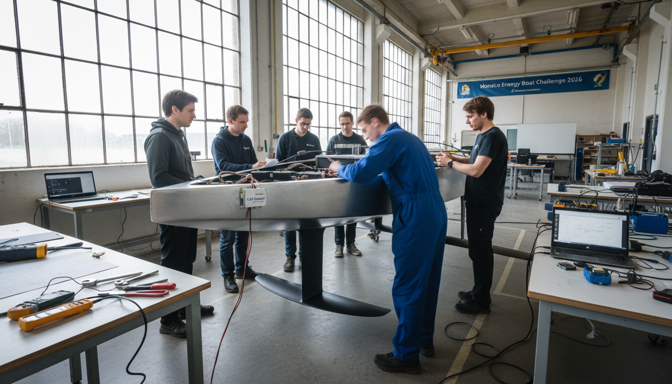
Dive into the future of sustainable sailing with TU Delft’s Hydro Motion team, pioneering the world’s first liquid hydrogen-powered foiling boat! Discover how cutting-edge battery monitoring tech is steering this eco-friendly marvel toward victory at the Monaco Energy Boat Challenge 2026.
As the leisure marine industry accelerates toward electric and hydrogen propulsion, the engineering challenges of battery safety and system reliability are coming sharply into focus. Next-generation yachts powered by these advanced energy sources demand sophisticated monitoring solutions to ensure operational safety, performance, and longevity. Integrated sensors, CAN bus communication, and real-time data analysis are no longer optional add-ons but essential components of modern marine propulsion architectures.
One of the critical issues faced by marine engineers is the vulnerability of battery enclosures to environmental factors such as moisture ingress and temperature fluctuations. These conditions can lead to corrosion, reduced battery life, and in worst cases, catastrophic failure. Addressing these risks requires continuous, precise monitoring of the battery environment to detect early signs of trouble and enable proactive maintenance.
Integrated sensor technology has emerged as a key enabler in this domain. Sensors capable of measuring humidity, temperature, and even mechanical stresses provide vital insights into the battery housing’s condition. When these sensors communicate via standardized protocols like CAN bus, they can seamlessly feed data into the vessel’s central monitoring system without adding complexity or wiring bulk. This integration facilitates real-time alerts and trend analysis, empowering operators and engineers to respond swiftly to anomalies.
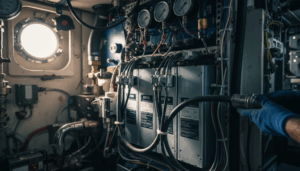
A practical example of this approach can be seen in pioneering projects developing liquid hydrogen-powered foiling boats. These vessels incorporate advanced humidity and temperature sensors within their battery compartments to mitigate risks associated with water ingress and thermal instability. The use of CAN bus-compatible sensors allows for streamlined data flow into the boat’s monitoring network, ensuring that critical parameters are continuously tracked without compromising design efficiency.
For yacht builders and suppliers, adopting such sensor-integrated monitoring systems is becoming a strategic imperative. As propulsion systems evolve beyond traditional combustion engines, the complexity and sensitivity of onboard energy storage increase. Real-time monitoring not only enhances safety but also supports regulatory compliance and extends the operational lifespan of expensive battery assets.
Marine engineers tasked with designing these systems must prioritize sensor selection, data communication protocols, and integration strategies that align with the vessel’s architecture and operational profile. The ability to detect subtle changes in humidity or temperature early can prevent costly repairs and downtime, safeguarding both vessel performance and owner investment.
In summary, the shift toward electric and hydrogen propulsion in leisure marine vessels is driving a parallel evolution in battery safety and monitoring technologies. Integrated sensors, CAN bus communication, and real-time data management are becoming foundational elements in propulsion system design. By embracing these technologies, yacht builders and marine engineers can deliver safer, more reliable, and future-ready vessels that meet the demands of a rapidly changing industry landscape.