Discover how pioneering shipyards are revolutionizing superyacht refits by embedding OEMs directly into the workflow to eliminate downtime and streamline complex overhauls. Read on to learn how this collaborative blueprint is transforming the future of marine engineering.
- Italian refit groups like Amico Marine link over a dozen specialist equipment suppliers into a synchronized framework.
- Embedding original equipment manufacturers directly into the workflow helps reduce scheduling bottlenecks and downtime.
- Project managers must enforce strict governance and handover protocols to keep simultaneous trades operating safely.
The modern superyacht is an exercise in staggering complexity, uniting propulsion mechanics, digital automation, hydraulic rigging, and climate control into a single, highly integrated ecosystem. Yet, when these vessels arrive at a shipyard for a major overhaul, the traditional refit model has often relied on a fragmented procession of disconnected external vendors. This siloed approach frequently leads to scheduling bottlenecks, access conflicts, and extended downtime.
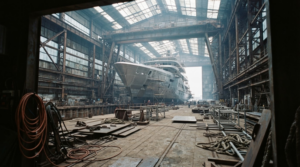
Recognizing these inefficiencies, major Mediterranean shipyards are pioneering coordinated technical networks that embed original equipment manufacturers directly into the refit workflow 1. For instance, Italian refit groups like Amico Marine—comprising Amico & Co, Amico Loano, and Gatti—have launched dedicated technical networks linking over a dozen specialist equipment suppliers, including Akerboom, De Keizer, Jastram, and Voith Italy, into a synchronized planning and support framework 12. By formalizing relationships with these specialist suppliers across propulsion, steering, stabilization, and onboard technology, shipyards can coordinate specialist inspections and maintenance periods under a single operational umbrella 1.
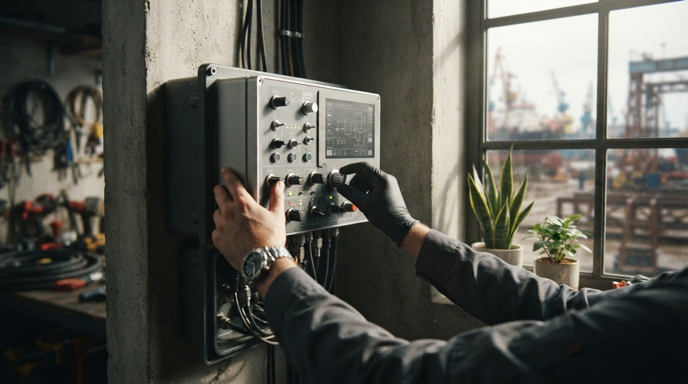
For naval architects, technical directors, and marine engineers, this shift carries profound strategic implications. Managing complex interfaces—such as tracing a control system alarm that bridges sensors, actuators, and power feeds—requires a unified diagnostic framework rather than piecemeal troubleshooting 1. When shipyard engineering teams work in tandem with OEM specialists to prepare machinery spaces and manage access requirements in advance, the margin for error shrinks significantly 1.
However, bringing a multitude of equipment makers into a single project structure demands rigorous governance. Project managers and chief engineers must enforce disciplined scheduling, clear reporting lines, and strict handover protocols to ensure that simultaneous trades operate safely within restricted technical spaces 1. Ultimately, the true measure of these collaborative networks will be found in tangible project outcomes: reduced downtime, streamlined commissioning records, and greater certainty for yacht owners and captains 1.
Marine professionals and technical managers must proactively evaluate how their chosen refit yards manage supplier integration. When planning your next major shipyard period, demand comprehensive pre-refit technical schedules, clarify OEM diagnostic lead times, and ensure that your engineering teams are fully aligned with the yard’s coordination framework.