Discover how cutting-edge carbon architectures and hybrid propulsion are revolutionizing modern yacht engineering, delivering unprecedented efficiency and zero-emission cruising. Dive into the future of sustainable luxury on the water and find out how shipyards are redefining performance.
- Scandinavian builders shed over a tonne of deadweight by adopting full carbon-fibre sandwich construction.
- Modern 42-meter motor yachts integrate multi-kilowatt solar arrays with lithium iron phosphate battery banks.
- Hybrid systems and lightweight composites allow extended zero-emission operation at anchor.
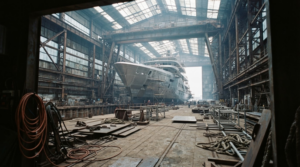
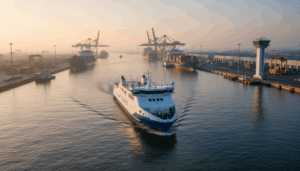
Naval architects and marine engineers are facing a pivotal shift in how performance, range, and sustainability intersect across the luxury yacht and commercial marine sectors. As environmental regulations tighten and owner expectations evolve, shipyards are aggressively rethinking traditional construction methods. The introduction of advanced composite materials and sophisticated hybrid architectures is no longer reserved for experimental racing fleets; these innovations are now rapidly permeating production cruising yachts and custom superyachts alike.
A striking example of this industrial transformation is the complete structural overhaul seen in recent Scandinavian performance cruisers. By shifting entirely from conventional fibreglass laminates to a full carbon-fibre sandwich construction—including carbon bulkheads and floor assemblies—builders have managed to shed over a tonne of deadweight on mid-sized hulls 1. This dramatic weight reduction directly enhances hydrodynamic efficiency, allowing for heightened speed potential and more responsive handling without adding mechanical complexity 1.
Concurrently, the superyacht sector is making major strides in energy management through parallel diesel-electric hybrid systems and solar integration. Modern 42-meter raised pilot house motor yachts now routinely incorporate multi-kilowatt photovoltaic arrays alongside substantial lithium iron phosphate battery banks. These configurations enable extended periods of zero-emission operation at anchor while significantly curbing overall hotel load consumption 2. For marine engineers and technical directors, the challenge lies in seamlessly integrating these energy-dense electrical ecosystems with conventional shaftlines and thermal engines, ensuring redundancy and reliability on long offshore transits.
The strategic imperative for shipyards is clear: reducing onboard carbon footprints and optimising energy efficiency are paramount for maintaining market competitiveness. Industry stakeholders—from production managers and refitting specialists to yacht designers—must evaluate how these lightweight structures and hybrid power trains can be incorporated into their upcoming pipelines.
Explore your yard’s current build specifications and consult with your engineering teams to identify opportunities for weight-saving composites and hybrid propulsion integration on your next project.