This case study explores how parametric modeling and digital integration are transforming yacht design in the leisure marine sector. It highlights engineering challenges, technical solutions, industry impacts, and key lessons for shipyards, naval architects, suppliers, and marine engineers.
Advancing Yacht Design Through Parametric Modeling and Digital Integration
The leisure marine sector is facing growing demands for yachts that deliver superior fuel efficiency, enhanced performance, and reliable operation. Traditional design approaches often involve time-consuming iterative cycles, limiting the ability to quickly explore complex hull and appendage shapes. This challenge is further intensified by evolving regulatory requirements and the need to integrate emerging sustainable technologies, such as wind-assisted propulsion systems, without compromising design quality or project timelines.
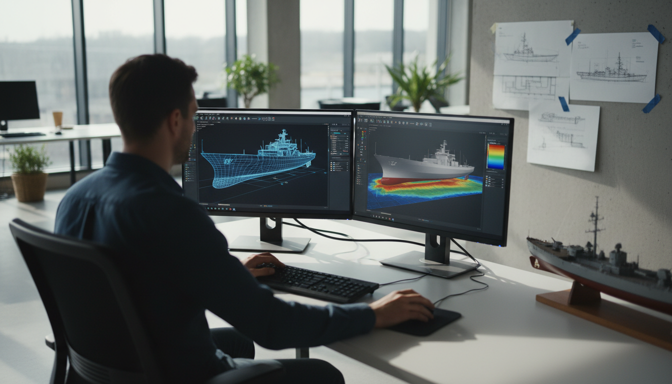
To meet these challenges, naval architects and marine engineers are increasingly adopting parametric design methods combined with computational fluid dynamics (CFD) simulations. Parametric modeling allows designers to create fully adjustable 3D representations of hulls, appendages, and propulsors, enabling rapid modifications and automated evaluation of thousands of design variants. This approach supports a more thorough assessment of trade-offs involving hydrodynamics, stability, and internal arrangements, which are critical to optimizing yacht performance.
By integrating parametric models with CFD tools, the process of generating simulation-ready geometries becomes automated, streamlining workflows from initial concept through prototype testing. Advanced algorithms and data analytics play a key role in identifying performance trends and supporting data-driven decisions. Importantly, this digital framework also accommodates the incorporation of green technologies like Flettner rotors and wing sails, reflecting the sector’s commitment to sustainability and regulatory compliance.
The impact of adopting parametric design and digital integration is already evident across the leisure marine industry. Shipyards and design offices benefit from shorter design cycles, fewer prototype failures, and improved vessel performance. Suppliers of components such as propellers, ducts, and energy-saving devices can optimize their products in harmony with overall vessel architecture, enhancing efficiency and reducing costs.
Furthermore, the ability to rapidly iterate and validate designs supports adherence to complex classification rules and technical standards, which are increasingly accessible through centralized digital platforms. This comprehensive digital transformation fosters greater collaboration throughout the marine supply chain, enabling more effective knowledge sharing and innovation.
For shipyards and naval architects, embracing parametric design and integrated simulation workflows is becoming essential to maintain competitiveness in a market that prioritizes speed, efficiency, and sustainability. Early adopters stand to gain significant operational savings and deliver higher-quality products. Marine engineers and suppliers should focus on developing compatible digital tools and workflows that seamlessly integrate with parametric platforms, facilitating collaborative optimization of vessel components and systems.
Ultimately, the leisure marine sector must recognize that digital transformation extends beyond technology upgrades—it represents a strategic imperative. Investing in digital design and information management capabilities will be crucial to meeting future regulatory demands, advancing sustainable technologies, and delivering high-performance yachts that meet evolving customer expectations.