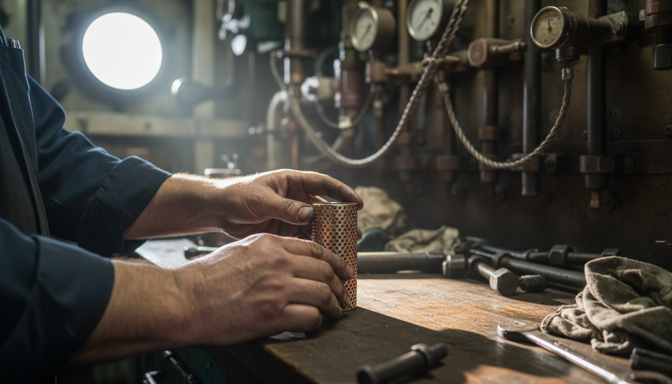
Discover why sintered copper alloys are revolutionizing marine engineering with unmatched conductivity, corrosion resistance, and self-lubricating properties. Dive into the future of durable, efficient vessel design where steel just can’t compete!
Case Study: Strategic Use of Sintered Copper Alloys in Marine Engineering
In the demanding world of marine engineering, choosing the right materials can make all the difference in the performance and longevity of vessel components. This case study highlights how sintered copper alloys—such as pure copper, brass, and self-lubricating bronzes—have proven to be superior alternatives to traditional steel, especially when electrical conductivity, thermal conductivity, corrosion resistance, and frictional properties are essential.
A leading marine manufacturer was struggling with the durability and high maintenance costs of steel parts exposed to harsh saltwater conditions. They needed materials that could enhance energy transfer efficiency, minimize wear and tear, and reduce the frequency of maintenance.
To address these challenges, the company turned to pure sintered copper for critical electrical contacts and heat exchangers. Thanks to its outstanding electrical and thermal conductivity, this material ensured the vessel’s electrical systems operated reliably and efficiently.
For smaller mechanical parts and decorative fittings, brass was chosen because it offers an excellent combination of aesthetic appeal, machinability, and mechanical strength.
The most innovative solution involved using self-lubricating graphite bronzes for bearings and bushings. These materials feature a unique porous microstructure that acts as a natural lubricant reservoir, drastically cutting down maintenance needs while providing superior corrosion resistance compared to brass. This self-lubrication significantly extends the service life of components exposed to corrosive marine environments.
The results were impressive: the manufacturer saw a marked improvement in component durability, fewer maintenance interventions, and better corrosion resistance and wear reduction in saltwater conditions. Additionally, the enhanced energy efficiency from superior conductivity and the weight savings from the dense microstructure of sintered bronzes contributed to overall vessel performance.
From a technical perspective, the pure copper parts demonstrated densities between 8.0 and 8.3 g/cm³ and tensile strengths ranging from 160 to 190 MPa. Brass components, while slightly less dense, offered higher hardness. The self-lubricating bronzes sacrificed some mechanical strength (110 to 180 MPa tensile strength) to gain porosity that enables lubrication. Advances in powder metallurgy and near-net-shape manufacturing techniques allowed the company to tailor these materials’ properties while keeping production costs manageable.
Although the initial investment in sintered copper alloys was higher than steel, the long-term savings from reduced maintenance and improved performance made the choice economically sound. The manufacturer reported significant cost benefits, particularly in electrical systems and bearing applications.
In conclusion, this case study clearly shows that sintered copper alloys are a strategic material choice in marine engineering. They provide solutions that steel simply cannot match in electrical, thermal, and tribological applications. Marine engineers and designers are encouraged to work closely with material experts to select the best sintered copper alloy for their specific projects, ensuring vessels that are more durable, efficient, and cost-effective over their operational life.