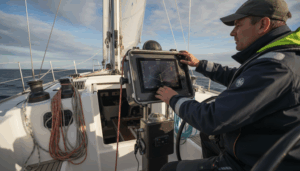
Efficient asset lifecycle management and cost control are critical in the leisure marine industry. Integrating digital tracking with equipment refurbishment extends asset usability, optimizes supply chains, and reduces environmental impact.
Efficient asset lifecycle management and cost control are critical in the leisure marine industry, where equipment lead times and capital expenditures significantly impact operations. The integration of digital tracking systems with physical refurbishment processes offers a scalable approach to extend asset usability, optimize supply chains, and reduce environmental footprint.
RemoraDocks, recently spun off from Mantis Marine, specializes in digital circularity solutions that enable precise tracking and lifecycle optimization of maritime assets. Their IT platform provides real-time data on equipment condition, usage history, and maintenance schedules, facilitating predictive maintenance and resource allocation. This digital infrastructure supports shipyards, procurement teams, and suppliers in managing asset inventories with greater transparency and efficiency.
Mantis Marine focuses on the physical refurbishment and reuse of heavy marine equipment such as cranes and winches. By extending the operational life of these assets, Mantis Marine reduces the need for new manufacturing, cutting lead times and capital costs while lowering carbon emissions associated with production.
The combined approach addresses key challenges in the leisure marine supply chain: long procurement cycles, high replacement costs, and regulatory compliance pressures. Digital lifecycle management tools reduce downtime and optimize maintenance planning, while refurbishment services provide cost-effective alternatives to new equipment purchases.
This integrated model aligns with tightening environmental regulations, including EU directives on battery management and digital asset passports, which demand enhanced traceability and sustainability reporting. Additionally, operational technology (OT) control systems embedded in these platforms improve cybersecurity and asset visibility, mitigating risks from unmanaged or unknown equipment.
For engineers, shipyards, and procurement professionals in the leisure marine sector, adopting these digital and physical circularity solutions can lead to measurable cost savings, improved asset reliability, and compliance readiness. The focus on data-driven lifecycle management and refurbishment processes represents a pragmatic pathway to sustainable and efficient maritime operations.