Discover why choosing between SS304 and SS316 stainless steel can make or break your marine and industrial precision parts. Dive into the key differences that impact durability, cost, and performance in harsh environments!
In the realm of precision-machined components tailored for marine and industrial applications, selecting the appropriate stainless steel grade SS304 or SS316 can decisively influence a component’s durability and performance. Both grades are prevalent in manufacturing, yet their behavior diverges significantly when exposed to corrosive environments, a crucial consideration for naval engineers, shipyard managers, and marine professionals who prioritize reliability and longevity.
The fundamental distinction lies in SS316 s inclusion of molybdenum, typically 2-3%, which markedly enhances its resistance to chloride-induced pitting corrosion. This attribute renders SS316 the material of choice for components regularly exposed to seawater, coastal atmospheres, and aggressive chemical processing environments. Conversely, SS304, which lacks molybdenum, performs admirably in dry, indoor, or freshwater settings but is susceptible to rapid corrosion under salty or acidic conditions.
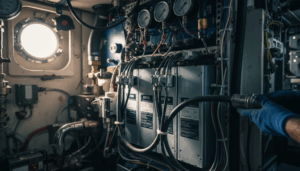
This difference transcends theoretical knowledge and has practical implications. For instance, in marine electrical systems, deploying SS316 for cable terminals and connectors can avert premature failures that jeopardize safety and operational continuity. Meanwhile, SS304 remains suitable for interior electrical assemblies or automotive parts operating away from coastal influences, offering cost savings without compromising performance.
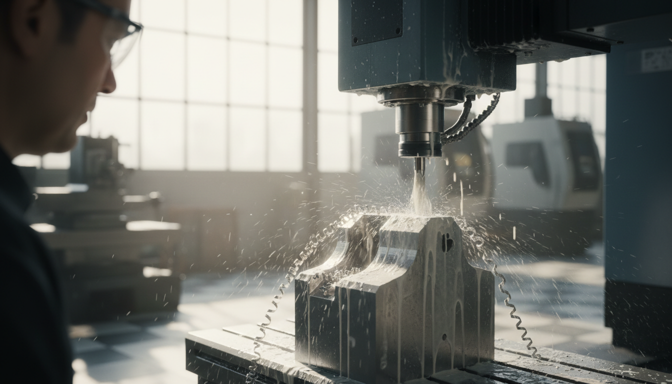
Machining considerations also influence material choice. The elevated nickel and molybdenum content in SS316 increases its toughness, necessitating slower cutting speeds, more frequent tool changes, and specialized tooling to manage its gummy chip formation. These factors contribute to manufacturing costs that can be 25-40% higher than those for SS304 when accounting for raw materials, machining time, and tool wear. However, these upfront expenses are often offset by SS316 s extended service life and diminished warranty claims in harsh environments.
A practical decision framework emerges: components expected to encounter chlorides, acids, or coastal exposure warrant SS316, while SS304 suffices for dry, controlled environments with minimal corrosive risk. This approach aligns with industry best practices, ensuring components meet both performance and budgetary demands.
Beyond material selection, integrating advanced technologies enhances marine component reliability. For example, innovations like Cyclops Marine s smartlink wireless load sensors, initially developed for the 36th America’s Cup, have become invaluable across sailing disciplines. These sensors enable sailors to monitor and optimize load conditions, contributing to safer and more efficient vessel operation an advancement that complements the durability offered by choosing the right stainless steel grade 12.
For naval architects and marine engineers, specifying the correct stainless steel grade early in the design phase is critical to preventing costly failures and downtime. The investment in SS316 pays dividends in reliability, especially for vessels and offshore structures operating in aggressive marine conditions.
Manufacturers such as TONFUL Electric exemplify this strategy by providing precision-machined SS304 and SS316 components with full material traceability and corrosion testing. Their engineering teams assist clients in selecting the optimal grade and machining parameters tailored to each application s environment and performance needs.
In conclusion, choosing between SS304 and SS316 hinges on a thorough understanding of the operational environment and balancing cost against durability. For marine and coastal applications, SS316 s superior corrosion resistance justifies its higher cost, while SS304 remains a viable option for less demanding conditions.
Marine industry professionals should carefully evaluate material specifications and consider the long-term implications of corrosion resistance on safety and maintenance. Early engagement with experienced suppliers and engineers ensures the right material choice, enhancing asset longevity and operational efficiency.
Are you ready to optimize your component materials for marine and industrial applications? Consult with material specialists to ensure your next project benefits from the best stainless steel grade selection.