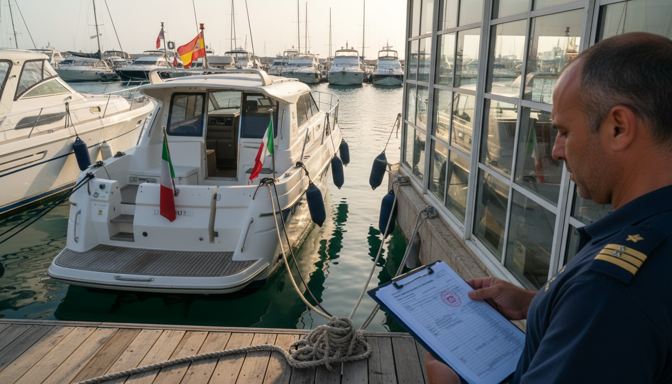
Italy’s new rule shakes up the yacht world—EU-flagged vessels under 24 metres now face fresh certification hurdles in Italian waters. Discover how this legal twist could redefine navigation, ownership, and compliance for Mediterranean yacht owners.
Italy’s recent enactment of Article 26-ter in its Codice della Nautica da Diporto marks a pivotal moment for owners and managers of EU-flagged recreational yachts under 24 metres. This regulation specifically targets foreign-flagged vessels owned by Italian residents or entities operating within Italian internal and territorial waters, requiring proof of navigability either through a flag-state certificate or, if unavailable, an Italian inspection. While ostensibly a measure to enhance safety and environmental protection, the rule unveils a complex interplay between national authority and EU internal market freedoms.
Italy’s jurisdiction to regulate navigation within its waters is undisputed; however, imposing its certification standards on yachts lawfully registered under other EU flags raises significant legal questions. The European Union’s framework allows member states to adopt diverse certification models—some enforce formal inspections, while others rely on registration and owner responsibility, particularly for private pleasure craft. This divergence complicates Italy’s enforcement of uniform standards without a proportionate safety justification.
The practical impact of Article 26-ter varies considerably depending on the yacht’s flag state. Countries like Spain and Croatia, which maintain structured inspection regimes, generally see their certificates recognized by Italian authorities, requiring only proper documentation and translations. In contrast, flags such as Malta, Poland, and France often operate private yacht certification systems without mandatory periodic safety certificates, creating potential conflicts when Italy demands attestations beyond these flags’ requirements. This discrepancy underscores the tension between respecting diverse EU flag regulations and Italy’s environmental and safety ambitions.
A particularly contentious element is the ownership criterion: the rule applies solely to yachts owned by Italian residents or legal entities. While politically understandable, this selective application weakens Italy’s legal position, as environmental risks posed by vessels do not discriminate based on owner nationality. Critics argue that regulatory focus should center on the vessel’s condition and operational use rather than ownership status.
For yacht owners and managers, proactive preparation is essential. Understanding the yacht’s flag category, certification requirements, and assembling comprehensive documentation—including registration papers, CE declarations, maintenance records, and any flag-state confirmations—can mitigate disputes. For flags with less formal certification processes, obtaining written clarifications from maritime advisers or flag authorities proves invaluable.
This development reflects a broader trend among Mediterranean coastal states asserting greater control over foreign-flagged vessels in their waters, challenging the delicate balance between national regulation and EU internal market freedoms. The superyacht sector, where smaller support vessels often carry different flags, must navigate these evolving regulatory waters carefully.
Ultimately, Italy’s Article 26-ter can serve as a legitimate environmental safeguard if applied narrowly and proportionately. However, it risks legal challenges if it functions as a parallel certification system undermining other EU flags’ regulatory frameworks. Stakeholders must engage proactively, ensuring compliance and clarity to avoid operational disruptions in Italian waters, a message underscored by maritime legal experts and industry advisers alike 12.