Premier Marinas expands its South Coast network while Genoa City Center Marina supports remote work, reflecting new trends in marina services and infrastructure.
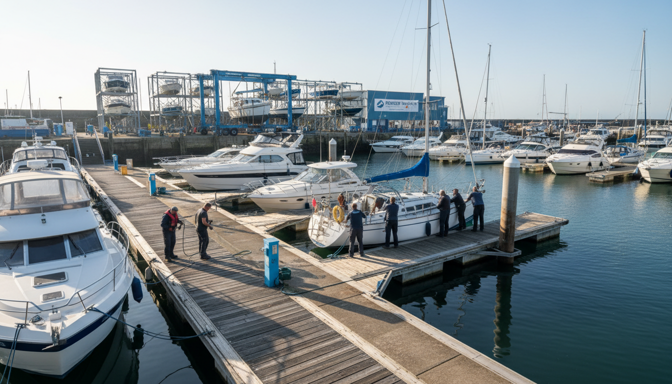
As the boating season approaches, marina networks along the South Coast are expanding to meet the growing demands of boat owners and marine professionals. This expansion includes enhancing operational capabilities and customer service to manage large-scale facilities effectively.
Efficient maintenance scheduling, safety protocols, and smooth vessel handling are critical to optimizing the user experience during peak seasons. Educational initiatives, such as discovery trips led by qualified instructors, help build navigational confidence among boaters, fostering a knowledgeable and connected maritime community. These efforts reflect a broader trend in marina management: integrating traditional services with educational and social opportunities to create vibrant maritime hubs.
Simultaneously, the concept of workation is reshaping how marine professionals and enthusiasts approach their time on the water. Marinas like Genoa City Center Marina are adapting by providing environments that support remote work alongside boating activities. Features such as robust Wi-Fi coverage, sheltered berths, and proximity to cultural landmarks make boatworking a practical lifestyle choice rather than a novelty.
Successful boatworking requires thoughtful preparation, including ensuring reliable connectivity, protecting sensitive equipment from environmental hazards, and balancing work schedules with sailing activities. Infrastructure elements like pile-supported concrete docks that minimize wave action and metered electrical pedestals support these needs effectively. Additional services, such as package reception, help ease logistical challenges, making extended stays more feasible.
These developments signal a transformation in the marine industry, where marinas evolve into multifunctional spaces supporting both leisure and professional activities. For naval engineers, architects, and marine managers, understanding these trends is crucial for aligning design, operations, and client services with emerging demands.
As the industry continues to innovate, embracing integrated marina experiences and flexible work models will be key. Whether upgrading facilities or advising clients, stakeholders should consider how evolving expectations can be met to enhance value and sustainability in marine environments. Engaging with local marina networks and exploring these insights can inform future projects and operational strategies.